Genuine Leather vs Faux Leather – Complete Guide for Smart Buyers
Choosing between genuine leather and faux leather can feel overwhelming when faced with countless options and conflicting information. Whether shopping for a vintage leather jacket, furniture piece, or car interior, understanding the real differences between these materials helps buyers make confident decisions that match their budget, lifestyle, and values. This comprehensive comparison cuts through marketing hype to deliver honest insights about both options, helping readers determine which material truly suits their specific needs.
Understanding Genuine Leather
Genuine leather refers to material made from real animal hide, typically cowhide, though lambskin, goatskin, and other sources exist. The leather-making process involves treating and tanning animal hides to create durable, flexible material suitable for various products. However, “genuine leather” as a label can be misleading—it actually represents a quality grade rather than simply indicating authenticity.
The leather quality hierarchy includes full-grain leather at the top, preserving the entire hide with natural markings and offering exceptional durability. Top-grain leather sits just below, featuring light surface correction for uniformity while maintaining quality. The term “genuine leather” often refers to lower-grade material made from hide layers beneath the top grain. Bonded leather, the lowest quality, consists of leather scraps mixed with adhesive—barely qualifying as real leather at all.
Natural characteristics define authentic leather, including irregular grain patterns, subtle color variations, and occasional imperfections that prove authenticity. These variations give each piece unique character, though some buyers initially mistake them for defects.
Understanding Faux Leather
Faux leather encompasses various synthetic materials engineered to mimic real leather’s appearance without using animal products. The most common types include PU leather (polyurethane) and PVC leather (polyvinyl chloride), both created by applying plastic coating to fabric backing. Recent innovations have introduced plant-based alternatives like mushroom leather, pineapple leather (Piñatex), and cactus leather, though these remain less common in mainstream products.
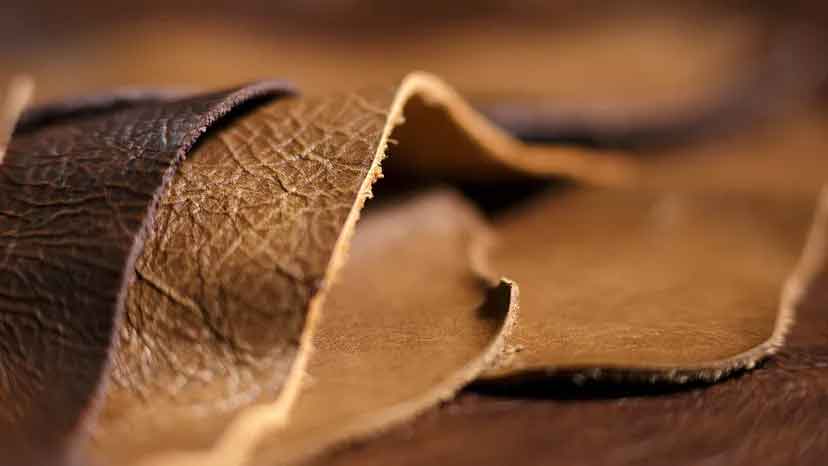
Manufacturing advances have dramatically improved faux leather quality over recent decades. Premium synthetic options now closely replicate genuine leather’s look and feel, though differences become apparent with extended use. The material goes by numerous names—synthetic leather, leatherette, pleather, or vegan leather—with “vegan leather” specifically emphasizing the animal-free aspect that appeals to ethically-motivated consumers.
Quality varies enormously within the faux leather category. High-end synthetic materials used in luxury vehicles differ dramatically from cheap faux leather found in fast-fashion items, making blanket generalizations about “faux leather” misleading.
How to Tell Genuine Leather from Faux Leather
Distinguishing real from synthetic becomes straightforward with a few simple tests. Visual inspection reveals grain patterns—genuine leather shows irregular, natural variations while faux displays uniform, repeating patterns. Examining cut edges shows leather’s fibrous structure versus faux’s fabric backing with plastic coating.
The touch test provides immediate clues. Real leather feels warm to the touch, adapting quickly to hand temperature, while synthetic materials feel cool and plastic-like. Genuine leather offers supple flexibility with slight resistance, whereas faux bends more uniformly without natural give.
Smell represents perhaps the most reliable indicator. Authentic leather carries a distinct, earthy aroma that synthetic materials cannot replicate—faux leather often smells chemical or plasticky, especially when new. The water test shows genuine leather absorbing small amounts of moisture while faux repels water completely, though shoppers should avoid this test on store merchandise.
Price serves as a practical indicator. If a “leather” jacket costs fifty dollars, it’s almost certainly synthetic. Genuine leather requires significant material and processing costs that establish minimum price thresholds across product categories.
Durability and Longevity Comparison
The genuine leather vs faux leather debate hinges significantly on lifespan expectations. Quality genuine leather can last twenty to forty years or more with proper care, developing distinguished patina that enhances rather than diminishes appearance. High-grade leather actually improves through use as natural oils condition the material and it molds to the user’s body or usage patterns.
Faux leather typically survives two to five years depending on quality and use intensity. The material inevitably degrades—cracking, peeling, and flaking become unavoidable as the plastic coating breaks down. Once deterioration begins, no repair options exist. The synthetic surface simply separates from its fabric backing, creating unsightly damage that ruins the product’s appearance and function.
Stress points reveal the starkest differences. Genuine leather at seams, bends, and frequently-touched areas develops character through wear. Faux leather at these same points cracks and fails, with damage accelerating once started. Furniture arms, jacket elbows, and bag corners demonstrate this pattern clearly.
Calculating cost per year of use shifts the value equation considerably. A three-hundred-dollar genuine leather jacket lasting fifteen years costs twenty dollars annually. A seventy-five-dollar faux leather jacket lasting three years costs twenty-five dollars per year, requiring five replacements to match the genuine jacket’s lifespan—ultimately costing more while generating significantly more waste.
Comfort and Breathability
Comfort differences between genuine leather and faux leather become apparent during actual use. Genuine leather’s porous structure allows air circulation, letting skin breathe and moisture evaporate. This breathability proves especially important for clothing, car seats, and furniture where extended body contact occurs. Faux leather’s plastic coating traps heat and moisture, creating uncomfortable, clammy conditions during warm weather or prolonged use.
Temperature regulation further distinguishes these materials. Real leather adapts to ambient temperature and body heat, feeling comfortable across seasons. Synthetic leather remains consistently cool or warm regardless of conditions, never achieving the adaptive comfort genuine leather provides naturally.
The breaking-in process represents another comfort consideration. New genuine leather feels stiff initially but gradually molds to the wearer’s body or use patterns, creating personalized fit that improves over time. Faux leather lacks this adaptive quality, maintaining its original shape or loosening unpredictably without the custom molding genuine leather develops.
Environmental Impact Considerations
The environmental comparison between genuine leather and faux leather involves complex trade-offs without clear winners. Genuine leather typically represents a byproduct of the meat industry—hides would otherwise become waste. However, the tanning process requires significant water and potentially harmful chemicals, though vegetable tanning offers more sustainable alternatives. Leather’s biodegradability at end-of-life provides environmental advantage, and its decades-long lifespan reduces replacement frequency.

Faux leather production relies primarily on petroleum-based materials for PU and PVC options, contributing to fossil fuel demand and associated emissions. The manufacturing process generates pollution, and the resulting products resist biodegradation, sitting in landfills indefinitely. Additionally, synthetic materials shed microplastics throughout their lifespan, contributing to environmental contamination. The shorter lifespan means more frequent replacement, multiplying waste generation compared to durable genuine leather.
Emerging plant-based leather alternatives attempt addressing these concerns, though they remain uncommon and expensive. Mushroom, pineapple, apple, and cactus leathers represent innovative directions, but their long-term durability and true environmental impact require more real-world data.
Honest assessment acknowledges neither option achieves perfect sustainability. Individual values regarding animal products, chemical use, longevity, and waste generation all factor into personal environmental calculations.
Cost and Value Analysis
Initial purchase prices differ dramatically in the genuine leather vs faux leather comparison. Faux leather products typically range from fifty to three hundred dollars depending on item and quality. Genuine leather spans two hundred to several thousand dollars, with price reflecting leather grade, construction quality, and product complexity.
However, long-term value calculations tell a different story. That two-hundred-dollar genuine leather belt lasting fifteen years delivers far better value than three forty-dollar faux belts needed across the same period. The genuine option costs less overall while avoiding the inconvenience and environmental impact of multiple replacements.
Faux leather makes financial sense for specific circumstances—temporary use items, children’s products that will be outgrown quickly, experimental fashion pieces testing new styles, and situations where budget constraints make genuine leather genuinely unaffordable. No shame exists in choosing according to financial reality.
Genuine leather justifies higher investment for long-term use items, daily-wear products, professional contexts requiring maintained appearance, and situations where quality and longevity matter more than initial cost savings.
Maintenance Requirements
Caring for genuine leather requires moderate commitment but isn’t as demanding as many assume. Regular conditioning every three to six months maintains suppleness and prevents drying. Proper storage away from heat and humidity prevents damage. Spot cleaning addresses minor soiling, while professional cleaning handles serious stains. The reward for this care is dramatically extended lifespan—well-maintained leather can outlive its owner.
Faux leather demands minimal maintenance, requiring only occasional wipe-downs with damp cloths. This convenience appeals to busy lifestyles with little time for product care. However, no amount of maintenance prevents eventual deterioration. The material will crack and peel regardless of care quality, making the low-maintenance aspect somewhat illusory—you’re not maintaining it because you can’t, not because it thrives on neglect.
Genuine leather offers repair possibilities when damage occurs. Professional restoration can address scratches, tears, and worn areas, extending usable life further. Faux leather provides no such options. Once the coating fails, the product becomes trash.
Making the Right Choice
Deciding between genuine leather and faux leather depends entirely on individual circumstances, priorities, and intended use. Several key questions guide appropriate choices: How long will this item be used? What’s the total budget including potential maintenance or replacement? How much care can realistically be provided? What ethical priorities matter most? Does longevity or trend-following matter more for this specific purchase?
For items intended for years of regular use—quality jackets, professional bags, daily-wear shoes, investment furniture—genuine leather typically delivers better value despite higher upfront costs. The durability, comfort, and maintained appearance justify the investment.
For trendy fashion experiments, children’s items that will be outgrown, occasional-use accessories, or situations where vegan/animal-free options align with personal values, faux leather serves appropriately. Understanding its limitations prevents disappointment while allowing budget-friendly or ethics-aligned choices.
Many people successfully employ hybrid approaches, investing in genuine leather for core wardrobe pieces while choosing faux for experimental or short-term items. This strategy builds quality collections gradually without requiring enormous immediate investment.
Common Myths Debunked
Several misconceptions cloud the genuine leather vs faux leather discussion. The myth that all genuine leather equals high quality ignores the dramatic quality variations within the genuine leather category. “Genuine leather” labeled products often represent lower quality grades, not premium material.
Conversely, assumptions that faux leather always looks cheap and obvious underestimate modern manufacturing capabilities. High-quality synthetic leather can fool casual observers initially, though use and time reveal differences.
Environmental assumptions require nuance too. Neither material claims perfect sustainability—both involve environmental trade-offs. The notion that leather production inherently involves cruelty ignores its typical byproduct status, while assuming faux leather’s vegan nature automatically makes it more ethical overlooks petroleum dependence and microplastic pollution.
The belief that proper care can make faux leather last as long as genuine represents wishful thinking. Material degradation in synthetics is inevitable and unstoppable, regardless of maintenance efforts.
Frequently Asked Questions
Can faux leather last 10+ years?
While exceptional circumstances might see high-quality faux leather approach a decade with minimal use, typical applications see deterioration within two to five years. The material’s chemical structure inevitably breaks down.
Which is easier to clean?
Faux leather wins for immediate cleaning ease, requiring only damp cloth wipe-downs. Genuine leather needs more careful cleaning but repays this attention with longevity faux cannot match.
Is genuine leather waterproof?
Natural leather resists water to degrees depending on treatment, but it absorbs moisture and requires protection in heavy rain. Faux leather repels water more effectively but can still allow seepage at seams.
Can you repair faux leather peeling?
Unfortunately, no. Once the synthetic coating begins separating from its backing, the process continues irreversibly. Genuine leather, by contrast, can often be professionally restored even after significant damage.
Which is better for hot climates?
Genuine leather’s breathability provides significant comfort advantages in heat, allowing air circulation and moisture evaporation. Faux leather’s impermeability creates uncomfortable conditions during hot weather.
Final Verdict
The genuine leather vs faux leather debate ultimately lacks a universal winner because context determines appropriateness. Genuine leather offers unmatched durability, comfort, and long-term value for items intended for extended use, despite requiring higher initial investment and moderate maintenance. Faux leather provides accessible pricing and minimal care requirements for short-term items, trend-following fashion, or ethics-aligned choices, accepting shorter lifespans as trade-off.
Quality matters enormously in both categories. Premium genuine leather vastly outperforms cheap bonded leather, just as high-quality faux leather significantly exceeds bargain-bin synthetic materials. Informed buyers can now choose confidently, understanding true differences rather than relying on assumptions or marketing claims. Whether prioritizing longevity, budget, ethics, or convenience, understanding these materials empowers decisions aligned with individual needs and values.